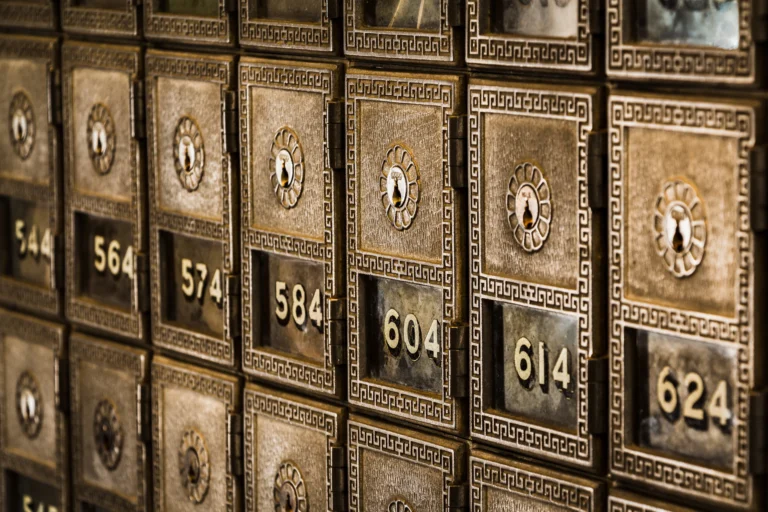
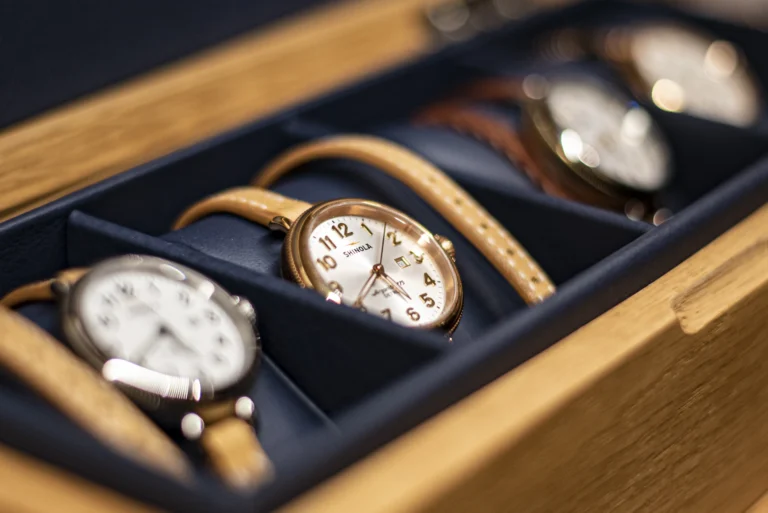
Home Safe vs Safe Deposit Box: Which Is Safer?
A home safe feels like the obvious answer when you want to protect your valuables. It’s in your house, it’s always open to you, and you only pay for it once. But for the things you can’t replace, it’s not always the safest choice.
This guide compares a home safe and a safe deposit box on the risks that matter: theft, fire, flood, insurance and access. It also covers which valuables belong where.
The Short Answer
A home safe is best for things you use often. A safe deposit box is best for things you can’t replace. Most people end up using both: everyday items at home, and irreplaceable documents, jewellery and bullion in a vault.
| Home safe | Safe deposit box | |
|---|---|---|
| Theft | Burglars know where to look, and can take the whole safe | Biometric entry, dual keys and 24/7 monitoring |
| Fire and flood | Depends on the safe’s rating, and it’s still in your house | Stored offsite, away from household risks |
| If you’re targeted at home | You can be forced to open it | Your valuables aren’t at your address |
| Access | Any time | Set hours (7 days at Imperial Vaults) |
| Cost | Upfront purchase plus installation | Annual fee |
| Best for | Everyday items, spare keys, a little cash | Irreplaceables: originals, heirlooms, bullion |
Theft: The Safe Is the First Place They Look
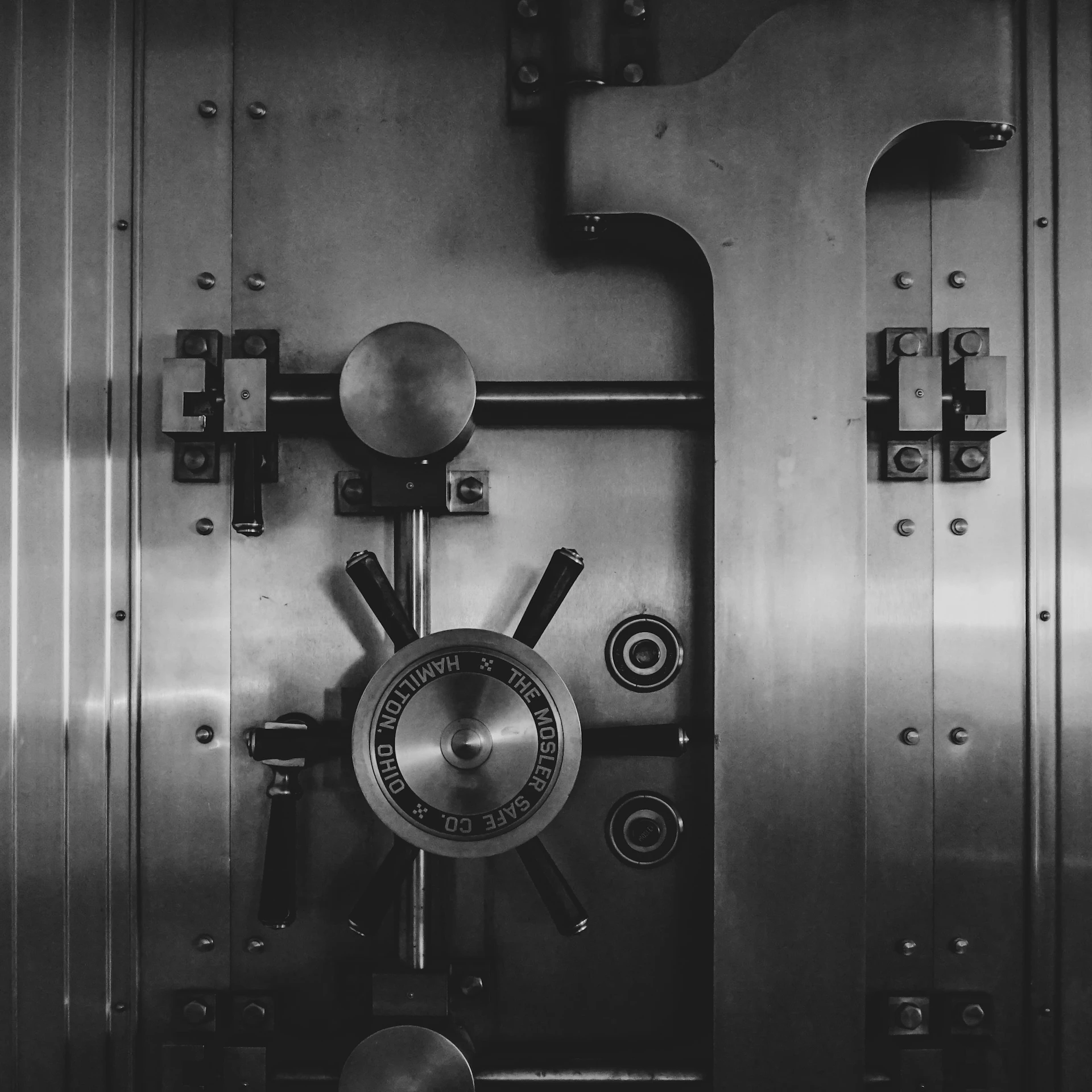
A home safe stops an opportunistic thief, and that’s worth something. But burglars expect to find one, and they usually know where: wardrobes, garages and home offices.
A safe that isn’t properly bolted to the floor or wall can simply be carried out and opened later. Even a bolted safe can be forced open with enough time and the right tools. The most serious risk is a burglary while you’re home, when you can be pressured into opening it yourself.
A safe deposit box takes your valuables out of your house altogether. There’s nothing at your address to find, and nothing you can be forced to hand over.
Fire and Flood: Check the Rating
Many cheaper home safes are built to resist theft, not fire. A fire-rated safe is tested to keep the inside cool enough to protect paper for a set time, often 30 to 60 minutes. Digital media such as USB drives and hard drives needs a higher rating again.
Flooding and earthquakes are real risks in New Zealand too. A safe in a garage or on a ground floor can sit in water for days.
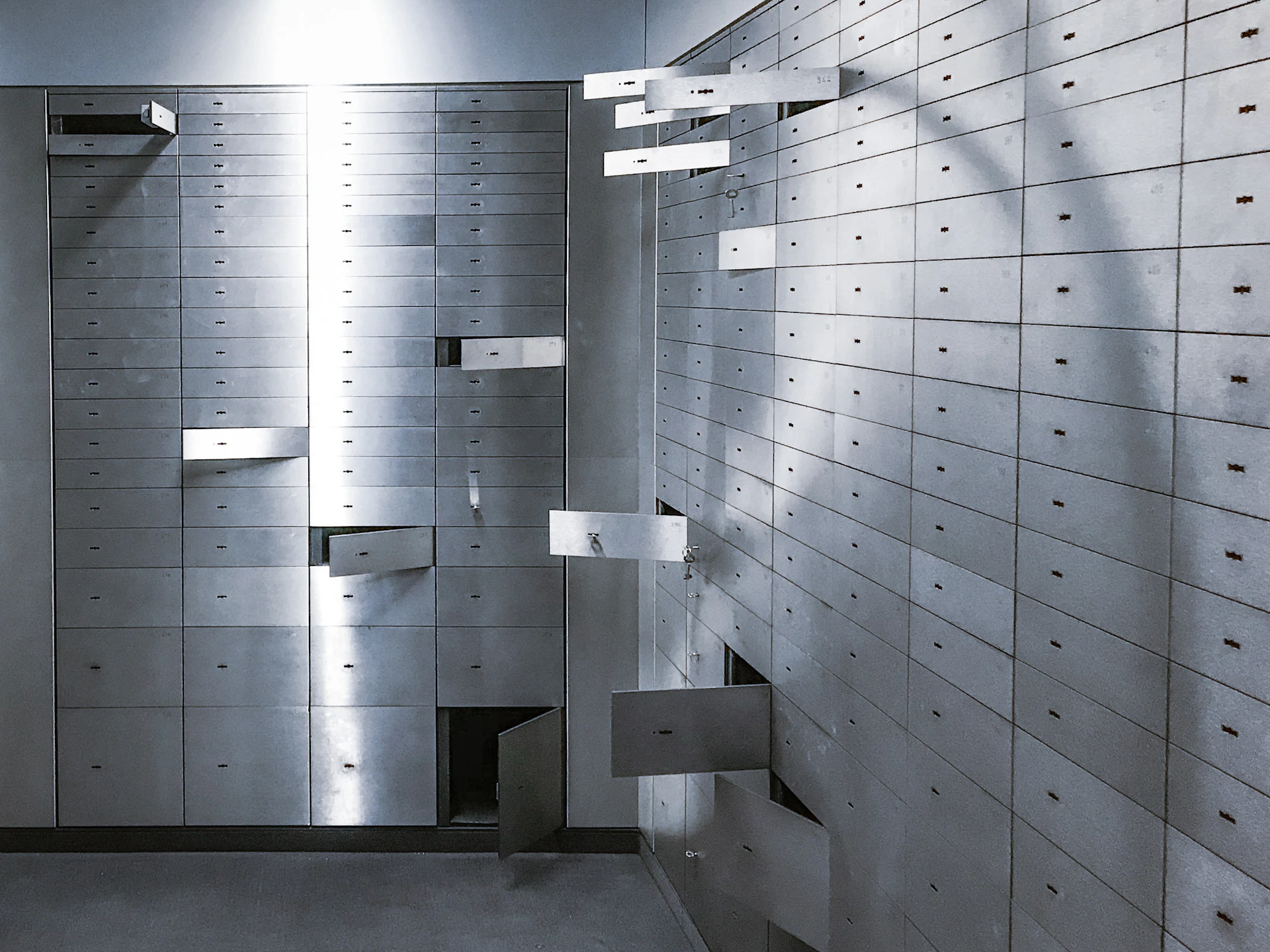
A vault is built and monitored to protect what’s inside, and keeping your valuables offsite means a disaster at home doesn’t take them too.
Insurance: Read Your Policy
Many contents policies cap cover for jewellery, watches and cash kept at home unless you list items separately. Some insurers also ask about your security if you have high-value items in the house.
The contents of a safe deposit box aren’t insured by the vault, because the vault never sees what’s inside. Many people arrange cover through their own insurer, and some insurers view items stored offsite in a vault more favourably. Check with yours.
Access: The One Real Advantage of a Home Safe
A home safe is there whenever you are. That’s why it suits items you need often, like a spare passport, everyday jewellery or the keys to the car.
Bank boxes used to mean weekday business hours only, which put many people off. Imperial Vaults is open 7 days, until 8pm on weekdays, so getting to your box fits around work rather than taking time off for it.
What Belongs Where
| Keep at home in a safe | Keep in a safe deposit box |
|---|---|
| A passport you travel with often | Original wills, trust deeds and property records |
| Everyday jewellery and watches | Heirloom and high-value jewellery |
| Spare keys and small amounts of cash | Gold and silver bullion and coins |
| Copies of important documents | Birth, marriage and citizenship certificates |
| Backup drives and hardware wallets |
Not sure what you can store? See What Can You Store in a Safety Deposit Box?
How Imperial Vaults Keeps Your Valuables Safe
- Biometric palm-scan entry and dual-key boxes, so your box can’t be opened with the vault’s key alone
- 24/7 CCTV, motion and vibration sensors, and monitored alarms
- Private rooms to go through your box in complete privacy
- 8 box sizes, from a few documents up to bulk bullion
- Open 7 days, with over 40 free car parks on site in Mount Roskill
Frequently Asked Questions
Is a safe deposit box safer than a home safe?
For irreplaceable items, yes. It removes the risk of burglary, fire and flood at home, and nobody can force you to open it at your house.
Can a burglar take a home safe?
Yes, if it isn’t properly bolted down. Even bolted safes can be forced open given enough time, which is why burglars sometimes take them away to open later.
Are home safes fireproof?
Not all of them. Many are built for theft resistance only. Check the fire rating, and remember that digital media needs a higher rating than paper.
Do I still need a home safe if I have a safe deposit box?
Many people keep both: a small home safe for everyday items, and a safe deposit box for the things they can’t replace.
How do I get a safe deposit box in Auckland?
Book a free consultation and vault tour. You’ll need photo ID and proof of address. Book online or call 09 629 0099.
Protect What You Can't Replace
Imperial Vaults has been protecting Aucklanders’ valuables since 2016, with more than 230 Google reviews averaging 4.9 stars.
Compare box sizes, book a free vault tour, or call 09 629 0099.
On This Page
Questions about safety deposit boxes?
Our team is here to help.
Need help choosing the right box size?
Explore our size guide or talk to our team for expert guidance.
Get new guides by email
Security tips and gold & silver updates from our Auckland team. No spam.
More articles you might enjoy